
Disclosure: This post contains affiliate links. If you purchase through these links, we may earn a small commission at no extra cost to you.
Walking your dog should be a peaceful bonding experience, but if your furry companion erupts into barks, lunges, or growls at the sight of other dogs, it can turn every outing into a stressful ordeal. This behavior isn’t just frustrating—it’s a common issue that affects 60% of pet parents worldwide, according to 2025 canine behavior research. The good news? Dog barking at other dogs is almost always a learned response rooted in fear, excitement, or lack of socialization, not inherent aggression. With the right training techniques, patience, and the help of suitable products, you can help your dog develop calm, friendly interactions with other dogs.
In this guide, we’ll break down why dogs bark at other dogs, share 5 science-backed methods to stop the behavior (each paired with a recommended product), and answer the most common questions pet parents have about this challenging issue. Whether you have a shy puppy or a reactive adult dog, these strategies will help transform chaotic walks into calm, enjoyable moments for both you and your pup.
Why Do Dogs Bark at Other Dogs?
Before diving into solutions, it’s critical to understand the root causes of this behavior. Barking is your dog’s primary way to communicate, and barking at other dogs rarely means “I’m aggressive”—it usually signals one of these underlying emotions, as noted by the American Kennel Club:
- Fear/Anxiety: Your dog may feel threatened by other dogs, especially if they’ve had negative past experiences (e.g., a scary encounter with an off-leash dog). Barking is their way of saying, “Stay back—I’m scared!”
- Overexcitement: Some dogs get overwhelmed by the joy of seeing another dog, and barking is their way of expressing pent-up energy. This is common in young, energetic breeds like Golden Retrievers or Border Collies, and often accompanies playful body language like a “play bow”.
- Lack of Socialization: Dogs who weren’t exposed to other dogs during their critical socialization period (3–14 weeks old) may not know how to interact appropriately, leading to confusion and barking. This is particularly common in puppies who miss out on early positive interactions with other canines.
- Territoriality: Dogs may bark at other dogs when they perceive their walking route, home, or you as their “territory,” especially if they’re close to home or in busy areas. This is a natural protective instinct, as dogs often view their living space, yard, or even their owner as part of their territory.
- Attention-Seeking: If your dog barks at other dogs and you respond (e.g., pulling them back, talking softly), they’ll learn that barking gets them the interaction they crave—even if it’s negative. This reinforces the behavior over time, making it harder to break.
5 Effective Methods to Stop Dog Barking at Other Dogs (Each with Recommended Products)
Each method targets a specific root cause and uses positive reinforcement—the most humane and effective training approach for dogs. We’ll outline step-by-step instructions, the science behind each technique, ideal use cases, and a recommended product to enhance your training efforts. Avoid punitive methods like yelling or anti-bark collars, as these can increase anxiety and worsen the behavior.
Method 1: Desensitization and Counterconditioning (D&C)
Steps:
- Find the “Threshold Distance”: Start by walking your dog in a quiet area where they can see another dog but don’t yet bark. This distance varies by dog (e.g., 20 feet for a reactive dog, 50 feet for a calm one)—use high-value treats to gauge if they’re relaxed (ears forward, loose body, tail wagging softly).
- Reward Calm Behavior: The second your dog makes eye contact with the other dog without barking, give them a high-value treat (e.g., freeze-dried chicken, cheese) and verbal praise (“Good boy/girl!”). Repeat this for 5–10 minutes until your dog associates seeing other dogs with treats.
- Gradually Decrease Distance: Over 1–2 weeks, slowly move closer to other dogs by 1–2 feet each session. If your dog starts to bark, stop and move back a few feet—never push past their threshold.
- Add Distractions: Once your dog is calm at the threshold distance, introduce mild distractions (e.g., a passing cyclist, a bird) while still rewarding calm behavior around other dogs.
Principle: Desensitization reduces your dog’s emotional reaction to other dogs by exposing them to the trigger at a low intensity, while counterconditioning replaces their negative response (barking) with a positive one (treats and calmness). This rewires their brain to see other dogs as “predictors of good things,” not threats. This method is widely recommended by veterinary behaviorists as a foundational approach to reducing reactive barking.
Recommended Product: [推荐产品: Zuke’s Mini Naturals Training Treats] — These small, soft treats are perfect for rewarding calm behavior during desensitization sessions. They’re low-calorie, easy to chew, and come in flavors dogs love, making them ideal for frequent training rewards.
Suitable Scenarios: Ideal for dogs who bark out of fear or anxiety, especially those with a history of negative interactions with other dogs. Works for all ages, from puppies to senior dogs, and is particularly effective for dogs with mild to moderate reactivity.

Method 2: Impulse Control Training with “Look at That”
Steps:
- Teach the “Look at That” Cue: Hold a treat up to your nose and say, “Look at that!” When your dog makes eye contact with you, reward them with the treat. Practice this 5–10 times a day for 3 days until they respond instantly.
- Practice in Low-Stimulus Environments: Walk your dog in an area with no other dogs. Hold the treat up, say “Look at that,” and reward eye contact. Gradually move to areas where other dogs are visible but far away.
- Use the Cue When Barking Starts: The second your dog starts barking at another dog, say “Look at that” and hold the treat to your nose. Redirect their focus to you, then reward calm behavior.
- Increase Difficulty: Once your dog masters the cue at a distance, practice with other dogs approaching slowly (ask a friend with a calm dog to help) and reward focus and calmness.
Principle: Impulse control training teaches your dog to pause and think before reacting, rather than barking impulsively. The “Look at That” cue gives them a clear alternative behavior to focus on, breaking the barking cycle before it starts. This method aligns with the strategy of teaching alternative behaviors to replace unwanted barking.
Recommended Product: [推荐产品: Starmark Trainer Clicker] — A clicker helps mark calm behavior instantly, making it easier for your dog to connect the cue (“Look at That”) with the reward. The distinct click sound is consistent and helps speed up training.
Suitable Scenarios: Perfect for overexcited dogs who bark out of joy, or dogs who bark to get your attention. Also great for small breeds or dogs with short attention spans, as it’s simple to learn and requires minimal equipment.

Method 3: Structured Socialization with Calm, Friendly Dogs
Steps:
- Recruit a “Social Buddy”: Ask a friend with a well-mannered, calm dog (e.g., a senior dog or a breed known for friendliness) to help. Avoid dogs who are overly energetic or reactive—this could set your dog back.
- Start at a Distance: Have the other dog stand 10–15 feet away. Keep your dog on a loose leash and reward calm behavior (no barking, no lunging). Let the dogs sniff each other from a distance if they’re relaxed.
- Short, Positive Interactions: Gradually decrease the distance to 3–5 feet, but only if both dogs are calm. Let them interact for 10–15 seconds, then separate and reward both dogs with treats. Repeat 2–3 times per session.
- Gradually Increase Interaction Time: Over weeks, extend the interaction time to 1–2 minutes, always rewarding calm behavior. Never force interaction if either dog shows stress (e.g., raised hackles, pinned ears).
Principle: Structured socialization exposes your dog to appropriate canine interactions, teaching them how to communicate with other dogs politely. Positive interactions build confidence and replace confusion with familiarity, addressing the root cause of barking in socially underdeveloped dogs.
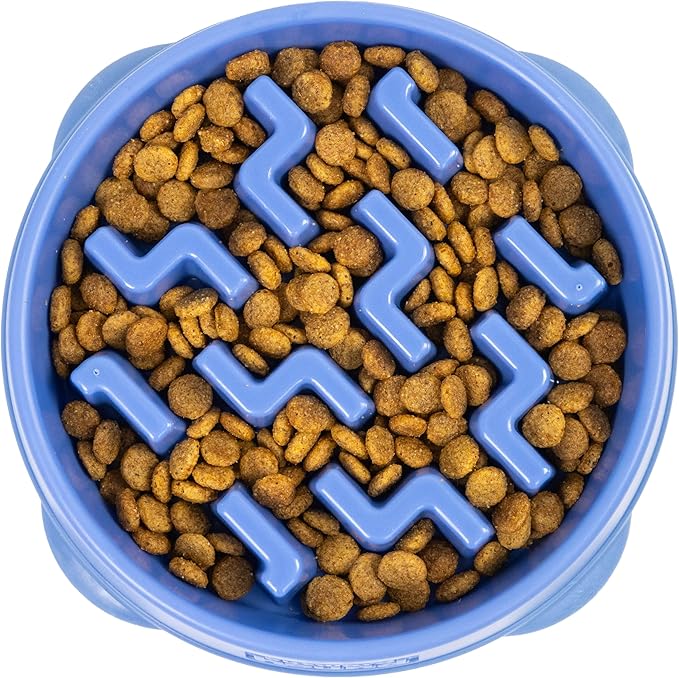
Recommended Product: [推荐产品: Outward Hound Fun Feeder Slow Feeder Bowl] — Use this bowl to give treats to both dogs during socialization sessions. It keeps them occupied and calm, reducing the likelihood of tension or barking during interactions.
Suitable Scenarios: Best for dogs who lack socialization or are unsure how to interact with other dogs. Works best for puppies and young adult dogs (under 2 years old) during their socialization window, but can also help adult dogs build confidence.
Method 4: Environmental Management and Leash Handling

Steps:
- Use a No-Pull Harness: A front-clip no-pull harness [推荐产品: Rabbitgoo No Pull Dog Harness] prevents your dog from lunging or pulling toward other dogs, giving you better control without causing discomfort. This is a key tool for environmental management, as it helps you avoid triggering barking by maintaining control.
- Choose Calmer Walking Routes: Avoid busy dog parks or busy streets during peak times (e.g., morning and evening dog walks). Stick to quiet residential streets or trails with fewer dogs initially.
- Master Loose Leash Walking: Teach your dog to walk on a loose leash by rewarding them when the leash isn’t taut. If they pull toward another dog, stop walking and wait for them to relax—then resume walking.
- Avoid Overstimulating Triggers: If your dog barks at dogs in cars or on porches, block their view with a blanket or by changing direction. This reduces exposure to triggers temporarily while you train.
Principle: Environmental management removes triggers that cause barking, giving your dog time to practice calm behavior without reinforcement. A no-pull harness and loose leash walking give you control, preventing your dog from acting on impulsive barking. This method is a practical first step for pet parents looking to reduce barking quickly while working on long-term training.
Recommended Product: [推荐产品: PetSafe Gentle Leader Head Collar] — This head collar works alongside a no-pull harness to provide extra control, especially for dogs who lunge aggressively. It redirects your dog’s attention to you without putting pressure on their neck.
Suitable Scenarios: Ideal for all dogs, especially those who bark out of territoriality or excitement. Great for pet parents who need extra control during walks, or for dogs who live in busy urban areas with frequent dog encounters.

Method 5: Calming Aids and Stress Reduction (For Anxious Dogs)
Steps:
- Use Calming Products: For dogs with severe anxiety, try a thunder shirt [推荐产品: ThunderShirt Classic Dog Anxiety Jacket], which release pheromones or apply gentle pressure to reduce stress. These products are part of a holistic approach to reducing anxiety-driven barking, complementing training efforts.
- Incorporate Pre-Walk Calming Rituals: Spend 5 minutes calming your dog before walks—give them a chew toy, practice deep breathing exercises, or offer a treat to lower their heart rate.
- Avoid Punishment: Never yell, hit, or shock your dog for barking—this increases anxiety and makes the behavior worse. Punishment teaches your dog to fear you and other dogs, exacerbating the problem, which is a common mistake to avoid in barking training.
- Consult a Professional Trainer: If your dog’s barking is accompanied by growling, lunging, or biting, work with a certified canine behaviorist who specializes in reactive dogs. They can create a personalized training plan.

Principle: Calming aids reduce anxiety at the source, making it easier for your dog to respond to training. Pre-walk rituals help them enter a calm state before triggers are introduced, preventing barking before it starts. This method addresses the underlying anxiety that drives barking, making it more effective for dogs with severe reactivity.
Recommended Product: [推荐产品: Zesty Paws Calming Bites for Dogs] — These chews contain natural ingredients like chamomile and L-theanine to reduce anxiety, making them a great complement to calming collars or thunder shirts during training sessions.
Suitable Scenarios: For dogs with severe fear or anxiety-based barking, especially those who show aggressive body language (e.g., snapping, raised hackles). Always pair calming aids with positive reinforcement training for best results.

Comparison Table: 5 Methods to Stop Dog Barking at Other Dogs
| Method | Core Technique | Best For | Training Time to See Results | Recommended Product | Pros | Cons |
| Desensitization & Counterconditioning | Low-intensity exposure + reward calmness | Fear/anxiety-based barking | 2–4 weeks | [推荐产品: Zuke’s Mini Naturals Training Treats] | Science-backed, long-lasting results | Requires consistency and patience |
| Impulse Control (“Look at That”) | Redirect focus to owner with treats/clicker | Overexcited/attention-seeking barking | 1–2 weeks | [推荐产品: Starmark Trainer Clicker] | Quick to learn, works for all dogs | Needs frequent practice in new environments |
| Structured Socialization | Controlled interactions with calm dogs | Lack of socialization | 3–6 weeks | [推荐产品: Outward Hound Fun Feeder Slow Feeder Bowl] | Builds confidence and social skills | Requires a compatible “social buddy” dog |
| Environmental Management | Control triggers + leash control | Territorial/excitement-based barking | Immediate (reduces barking instantly) | [推荐产品: PetSafe Gentle Leader Head Collar] | No training required upfront; easy to implement | Only a temporary fix—training still needed |
| Calming Aids & Stress Reduction | Reduce anxiety + pre-walk rituals | Severe anxiety/aggression risk | 1–3 weeks (with training) | [推荐产品: Zesty Paws Calming Bites for Dogs] | Helps anxious dogs stay calm during training | Not a standalone solution; must pair with training |
Frequently Asked Questions (FAQ)
1. My dog barks at other dogs only when we’re near home—why?
This is territorial barking, a natural instinct where dogs view their home, yard, or walking route as their “safe space”. Use environmental management (e.g., blocking their view with a fence or blanket) and desensitization: start by standing 10 feet from your home, reward calm behavior when another dog passes, and gradually move closer over time. A no-pull harness [推荐产品: Rabbitgoo No Pull Dog Harness] will also help you control your dog and prevent lunging.
2. How long will it take my dog to stop barking at other dogs?
Every dog is different, but most dogs show improvement within 1–4 weeks with consistent training. Fear-based barking may take 4–6 weeks, while overexcited barking often resolves in 1–2 weeks. Consistency is key—train for 10–15 minutes daily, and avoid skipping sessions. Remember, quick-fix expectations are a common mistake; patience is essential for long-term success.
3. Is it okay to let my dog “work through” barking at other dogs by letting them bark?
Never force your dog to confront their fear—this will make the behavior worse. Barking is a sign that your dog is stressed or confused, and forcing interaction will teach them to fear other dogs even more. Always prioritize their comfort and use positive reinforcement instead. Punitive or hands-off approaches can加剧 anxiety and lead to more severe reactivity.
4. My puppy barks at other dogs—should I be worried?
Puppies often bark at other dogs during their socialization period (3–14 weeks old) because they’re still learning how to interact. This is normal, but it’s critical to start structured socialization and desensitization now to prevent the behavior from becoming a habit. Puppies have a “socialization window”—act now to set them up for lifelong calm interactions with other dogs.
5. My dog’s barking has turned into growling and lunging—what should I do?
This is reactive behavior, and it requires professional help immediately. Contact a certified canine behaviorist or a positive reinforcement trainer who specializes in reactive dogs. Never attempt to train this alone, as it could lead to bites. In the meantime, use a muzzle (if your dog is comfortable with it) and avoid walking in areas with lots of other dogs to keep everyone safe. Seeking professional help is crucial for addressing severe reactivity effectively.
Conclusion
Stopping your dog from barking at other dogs isn’t about “fixing” them—it’s about helping them feel safe, confident, and calm around other dogs. Whether you use desensitization and counterconditioning for a fearful pup, impulse control for an overexcited one, or environmental management for a territorial dog, the key is to use positive reinforcement, patience, and the right tools.
Each of the 5 methods outlined in this guide is designed to target a specific root cause, and pairing them with the recommended products will enhance your training efforts. Remember, every dog learns at their own pace, and setbacks are normal. If your dog barks occasionally, don’t get discouraged—simply reset and try again. Over time, you’ll notice fewer barks, more relaxed body language, and eventually, friendly interactions with other dogs.
Investing time in this training will not only make walks enjoyable again but also strengthen the bond between you and your dog. With the right products [推荐产品: training treats, clickers, no-pull harnesses, calming aids] and consistent practice, you and your furry companion can turn stressful outings into peaceful, happy moments—one calm walk at a time.
Ready to start training? Begin with the method that aligns with your dog’s root cause, grab your recommended product, and don’t forget to celebrate every small win—your dog will thank you for it!
Want to make walks even more comfortable? Check out our [best no-pull harness guide] to stop pulling.